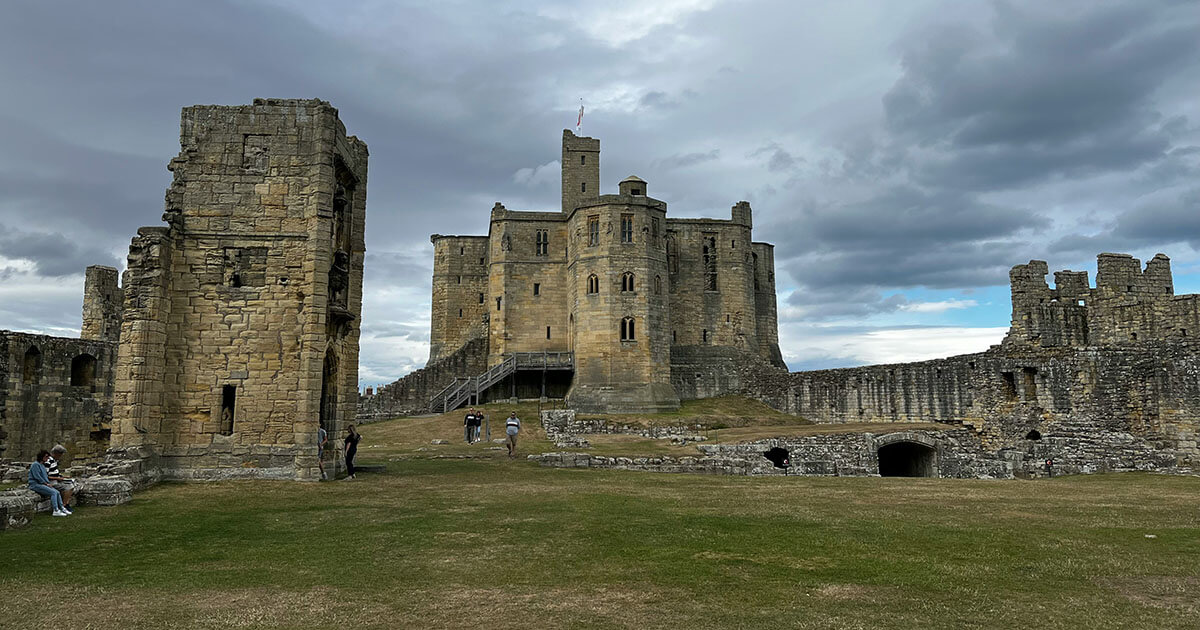
Britain's castles were built for power, defence, and display. Centuries of sieges, imprisonments, dynastic marriages, and domestic tragedy left them thick with documented history - and with stories that refuse to stay in the archive. Whether you take every ghost tale literally or treat hauntings as folklore attached to real places, these fifteen castles reward a visit for architecture and atmosphere alike. Go by day for the stonework. Linger toward dusk if you want the legends to feel closer.
1. Tower of London
The Tower is fortress, palace, prison, and arsenal in one. Its haunted reputation rests on centuries of high-profile confinement and execution within walls that still dominate the Thames. Tales of Anne Boleyn, the Princes in the Tower, and restless warders circulate alongside meticulous historical records. That double life - hard evidence and persistent legend - makes the site uniquely powerful. The ravens, the White Tower, and the riverside walls need no embellishment.
2. Edinburgh Castle
Perched on volcanic rock above the Old Town, Edinburgh Castle has seen royal courts, military garrisons, and national ceremonies. Ghost stories here often involve a phantom piper in the tunnels, a headless drummer, and unexplained cold spots in older chambers. The castle's real history of conflict and incarceration is dramatic enough; the folklore simply rides along the same stone corridors. Views over the city make the climb worthwhile even before any tale is told.
3. Glamis Castle, Angus
Glamis blends Scottish baronial splendour with a famously crowded supernatural reputation. Legends speak of a hidden room, a restless earl, and a figure known as the Grey Lady. Separating Victorian embellishment from older tradition is part of the fun. The castle's documented role in Scottish noble life is substantial; the ghost lore has made it a fixture of every "most haunted" list for generations.
4. Chillingham Castle, Northumberland
Chillingham markets its eerie credentials openly, and visitors come for torture-chamber displays as much as for medieval fabric. Stories of the Blue Boy and other apparitions are staples of Northumberland folklore tourism. The surrounding parkland and the historic Chillingham wild cattle add a distinctive rural setting. Come for the atmosphere; stay for the reminder that border country was rarely gentle.
5. Berry Pomeroy Castle, Devon
Ruined walls in wooded Devon countryside give Berry Pomeroy a melancholy beauty. Tales of a White Lady and a Blue Lady have attached themselves to the Pomeroy and Seymour occupations of the site. The ruin is compact, photogenic, and easy to combine with a South Hams day out. As with many haunted castles, the legends flourish because the architecture already feels unfinished and watchful.
6. Warwick Castle
Warwick combines a mighty medieval fortress with later residential comfort and modern visitor attractions. Ghost stories here often focus on the Ghost Tower and figures linked to the castle's turbulent medieval politics. The ramparts, great hall, and riverside setting are reason enough to visit. Hauntings, in this case, are an optional layer on top of one of England's most complete castle experiences.
7. Windsor Castle
Still an active royal residence, Windsor carries centuries of court life within its walls. Ghost lore includes a dean walking the cloisters and other fleeting figures reported by staff over time. Public access is carefully managed, so the "haunted castle" experience here is quieter than at ruin sites - more a sense of deep, continuous occupation than a theatrical fright. The State Apartments and St George's Chapel supply the historical weight.
8. Dover Castle
Dover's cliffs and concentric defences explain why this was called the key to England. Underground tunnels, wartime command posts, and medieval great towers create a layered site where sound and darkness do strange things to the imagination. Stories of spectral soldiers suit a fortress that has watched the Channel for so long. The real drama is strategic: invasion feared, invasion prepared for, decade after decade.
9. Muncaster Castle, Cumbria
Muncaster sits above the Eskdale valley with fells beyond and a long family history within. It is frequently named among Britain's most haunted houses, with reports of a jester's ghost and other restless residents. Hawk-and-owl displays and beautiful gardens balance the darker tales. The castle works well as part of a western Lake District circuit when weather drives you off the high ridges.
10. Culzean Castle, Ayrshire
Robert Adam's romantic masterpiece on the Ayrshire coast feels more country palace than grim keep, yet ghost stories still cling to its clifftop setting. A piper's spectre and other coastal legends accompany the architecture. The National Trust for Scotland presentation emphasises design, landscape, and Kennedy family history - which is as it should be. Hauntings here are seasoning, not the main course.
11. Fyvie Castle, Aberdeenshire
Fyvie's fairytale silhouette hides a catalogue of curses, weeping stones, and phantom trumpeters in local tradition. The castle's portrait collection and lavish interiors reward anyone more interested in Scottish material culture than in midnight frights. Still, the folklore is part of how the place has been remembered and marketed. Visit for the stone and the stories; decide for yourself how they fit together.
12. Dudley Castle, West Midlands
Above the town, Dudley's ruined keep and later domestic ranges survey an industrial landscape that once roared with forges and furnaces. Hauntings reported in the chapel and other spaces sit alongside a museum of the Black Country's industrial past. The contrast is productive: medieval power, industrial revolution, and modern heritage interpretation all share one hill. Ghost walks lean into the atmosphere after dark.
13. Raglan Castle, Monmouthshire
Raglan is one of Wales's great late-medieval fortresses, elegant as well as strong. Its Civil War siege and subsequent slighting left romantic ruins that suit twilight photography. Tales of restless former occupants circulate, as they do at many siege sites. Cadw's care of the monument keeps the focus on architecture and politics; visitors supply the shiver if they wish.
14. Tamworth Castle, Staffordshire
Tamworth's motte-and-bailey origins and later residential phases make it a compact lesson in English castle evolution. The Black Lady and other local ghosts are staples of Staffordshire folklore. The riverside park setting softens the fortress outline. It is an easy stop for anyone tracing Mercian history or simply collecting haunted venues between Birmingham and the Peak District.
15. Craigmillar Castle, Edinburgh
Often quieter than the great rock fortress in the city centre, Craigmillar offers courtyard ruins, spiral stairs, and strong links to Mary, Queen of Scots. Paranormal reports here tend to be quieter too - footsteps, shadows, unexplained cold. The surrounding parkland makes it a fine contrast visit after the crowds of the Royal Mile. History first; haunting as an optional aftertaste.
History, folklore, and how to read both
A haunted reputation usually grows where records of violence, confinement, or sudden death already exist. Folklore attaches names and sightings to rooms that archaeology and household accounts can sometimes identify. That does not prove a ghost. It does prove that people use story to process difficult places. Treat legends as cultural history: valuable, revealing, and not the same thing as a crime-scene report.
LocoPast is useful when you want the documented layer in front of you while you walk. Midway through a castle-hopping trip, open nearby pins rather than only the famous keep. Around Tower of London or Edinburgh Castle, you will find streets, prisons, churches, and lesser fortifications that explain why ghost stories clustered where they did. Atmosphere makes more sense when the surrounding city is visible on the map.
Practical tips for haunted-castle visits
- Check opening times, especially for evening tours that book out quickly.
- Ruined sites can be uneven, dark, and slippery - bring a torch if exploring late.
- Respect private apartments and worship spaces still in use.
- Support official conservation bodies; sensational tours should not damage fabric.
- Read one solid history of the site before you go. Legends land better when you know the real timeline.
Britain's castles were never built to entertain ghost hunters. They were instruments of rule. That seriousness is why their stories - documented and spectral - still hold attention. Choose a few from this list, walk the walls slowly, and let the place decide whether you leave with a photograph, a footnote, or a tale you are not quite ready to dismiss.