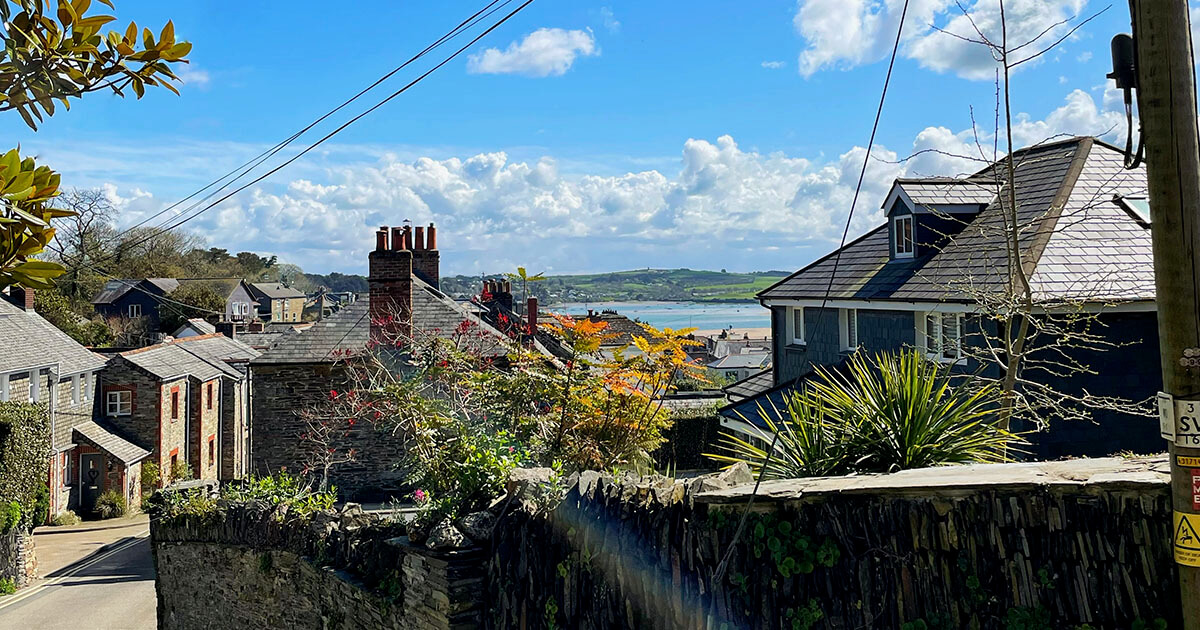
If you only know Padstow from a crowded summer quay, it is easy to think the town began when the first visitor ordered seafood with a view. Spend a quieter morning there, though, and the place starts talking in older voices: Celtic saints, estuary pilots, manor families, and a sandbar with a reputation for wrecks. This piece belongs with our series on historically significant sites and events near iconic British seaside towns - Padstow as harbour settlement first, holiday harbour second.
The saint and the early settlement
Padstow's older name, Petroc-stow, points to St Petroc, the same Cornish saint whose cult also shaped Bodmin. Tradition holds that Petroc landed and founded a religious community here before moving inland. You do not need to untangle every medieval vita to feel the logic: a sheltered estuary mouth was a natural landing for faith as well as fish.
St Petroc's Church still occupies the spiritual centre of town. Step inside between harbour circuits. Memorials to seafarers, the cool of the nave after salt wind, and the sense of continuity matter more than any single date carved in stone. Outside, the churchyard offers one of the best pauses in Padstow when the quay is loud.
Harbour, pilots, and the Doom Bar
The harbour is why Padstow exists. The Camel estuary gave access to inland Cornwall while the Atlantic waited beyond the mouth. Trade, fishing, and shipbuilding layered the quays. Stand on the harbour wall and watch the tide race; then look seaward towards the notorious Doom Bar, the sandbar that has haunted sailors' stories for generations. Shifting sands, Atlantic swell, and a narrow channel made arrival a skilled job. Pilots and local knowledge were not romance. They were survival.
Walk the quay slowly rather than photographing it at a trot. Warehouse lines, slipways, and the working boat clutter (still there among the leisure craft) keep the maritime plot honest. Padstow Harbour on the map is a single pin; on foot it is a whole working vocabulary of ropes, ladders, and tide marks.
Prideaux Place and the manor above the town
Above the harbour bustle, Prideaux Place has been home to the Prideaux-Brune family for centuries. The house and deer park feel a world away from chip wrappers, yet they are part of the same geography of power: who owned the land around the estuary, who employed, who hunted, who rebuilt in Elizabethan and later styles.
If the house is open on your visit, take the chance. If not, even the approach roads and park edge tell you Padstow was never only a fishermen's huddle. Manor and quay negotiated with each other for hundreds of years. That tension - polite parkland and salt work - is classic Cornish coastal society.
May Day and the 'Obby 'Oss
Padstow's May Day celebration, with the red and blue 'Obby 'Oss processions, is one of Britain's most vivid surviving calendar customs. Songs, processions through streets, and a community choreography that locals guard with pride turn the town into living folklore for a day. Historians debate origins - spring rite, ship blessing, medieval entertainment - but you do not need a single agreed theory to feel the force of it.
Visit out of May and you will still see hints: pub names, photographs, shop windows. Visit on the day and understand that seaside history is not only buildings. Sometimes it is a tune that the whole harbour seems to know.
Railway, Rick Stein, and the modern chapter (without losing the plot)
The old railway link towards Bodmin helped move people and goods; its path now feeds the popular Camel Trail cycling route. Tourism remade Padstow in the late 20th century, with famous restaurants drawing national attention. That chapter is real, and it pays wages, but it sits on top of the older harbour story rather than replacing it.
When the queues frustrate you, walk five minutes uphill or along the coast path towards St George's Cove and Harbour Cove. The estuary light changes, the crowds thin, and you remember why sailors and saints cared about this mouth of the Camel in the first place. Open LocoPast on those quieter stretches to find wreck, chapel, and estuary stories that never make the restaurant guides.
Smugglers' coast - carefully told
North Cornwall's reputation for smuggling is sometimes over-egged for visitors, yet the geography is persuasive: hidden coves, sparse night populations, and taxable luxuries arriving by sea. Padstow's respectable merchants and less respectable nocturnal entrepreneurs shared the same tides. Cellars, back lanes, and customs history appear in local accounts; treat dramatic tunnel tales with friendly scepticism and focus on the economic reality. Excise versus community is a recurring British coastal theme.
A gentle itinerary if you prefer conversation to checklists
Begin at the church before the harbour fills. Walk the quay with the Doom Bar in mind, then climb towards Prideaux Place for the manor's view of the town's true shape. Afternoon: Camel Trail for a mile or two, or the coast path for sand and cliffs. Evening: return when day-trippers leave and the working boats sound louder again.
Padstow rewards anyone willing to look past the postcard. It is an iconic British seaside town with a harbour that still means business when the light goes flat and grey. Wherever you pause, open LocoPast to reveal historical stories pinned to your exact location. Saints, pilots, and May Day dancers all left marks on the map - often within sight of the same estuary water.