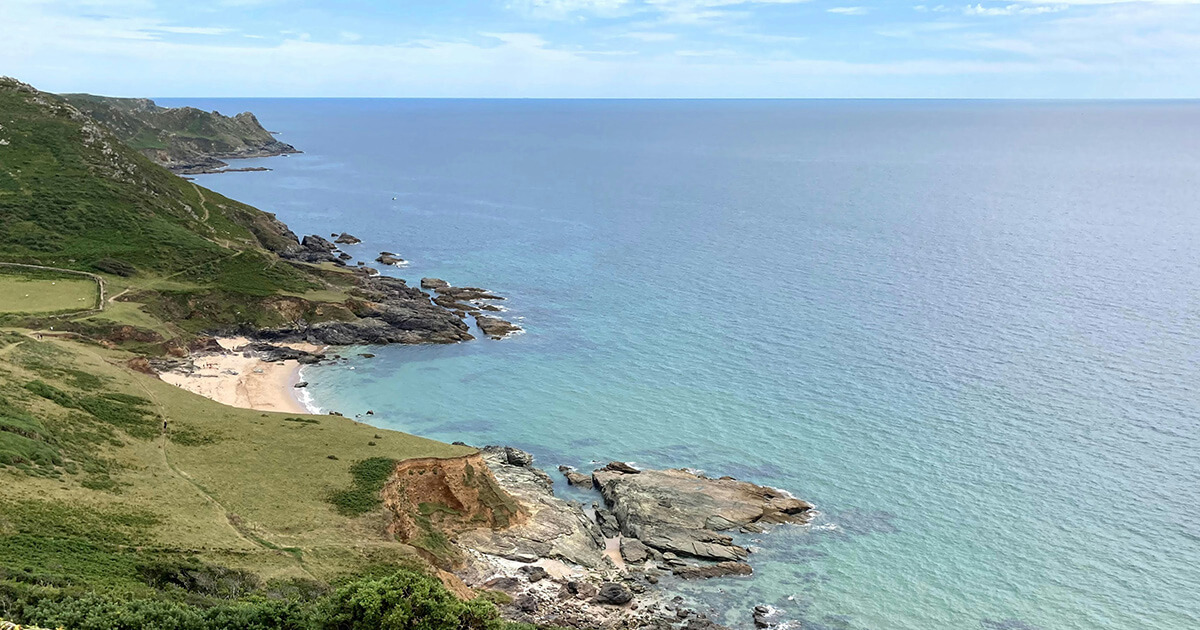
Salcombe looks, at first glance, like a polished South Devon postcard: whitewashed houses, bobbing yachts, steep streets dropping to water. Stay a little longer and the estuary starts to explain itself. This was a place of shipbuilders, fruit schooners, Civil War gunfire, and families who read the tide the way others read a clock. In our series on historically significant sites near iconic British seaside towns, Salcombe is the one that feels half harbour, half secret river.
Where river and sea negotiate
Salcombe sits near the mouth of the Kingsbridge Estuary, a ria that winds inland through wooded slopes. The setting made shelter possible and farming alone insufficient. People here looked outward. Cross-channel and Atlantic connections mattered; so did the tricky bar and channels that still humble visiting skippers.
Walk the Ferry Pier and waterfront early, before the town fills. The ferry to East Portlemouth is more than a convenience - it is a reminder that Salcombe's world was always both banks, not one pretty frontage. From the water, the town reads as terraces clinging to rock, each level a different century of ambition.
Fort Charles and the Civil War coast
On the rocky shore towards North Sands, the ruins of Fort Charles (sometimes called Salcombe Castle) speak to the mid-17th century, when England's civil wars reached even this far south. The fort held for the Royalist cause in a long, uncomfortable siege. Standing among the fragments with surf nearby, you feel how isolated a coastal garrison could be - supplies by sea, enemies on land, weather as a third combatant.
It is not a vast fortress. That is the point. Local stone, limited resources, and strategic stubbornness tell a smaller, sharper story than the great inland castles. Pair the visit with a swim or paddle at North Sands if you like contrast; history and holiday have always shared this beach.
Oranges, schooners, and the fruit trade
Salcombe's 19th-century fame owed much to fruit schooners - fast sailing vessels that raced perishable cargoes, including oranges from the Azores and Mediterranean, towards British markets. Speed meant profit; delay meant spoilage. Shipowners and builders in Salcombe specialised in handy, quick vessels that could make reputations on the passage home.
You will not see orange crates on the quay now, but the maritime museum displays and waterfront plaques keep the trade visible. Imagine the anxiety of a merchant watching the bar in a blow, knowing the cargo's value fell with every hour. That commercial nervousness shaped fortunes along these steep streets. Salcombe Harbour still concentrates the town's identity even when the cargoes are people and pleasure craft.
Shipbuilding yards and family names
Before fibreglass and marina berths, shipbuilding filled creeks and foreshores. Yard families passed skills down; launches were civic events. Walk towards Batson Creek and the quieter edges of the water and you can still sense industrial footprints in walls, slips, and the width of working cuts.
Local histories name the dynasties; street names and memorials echo them. Salcombe's polish today can hide how oily and noisy those yards were. Recalling that labour makes the yacht harbour feel less inevitable and more like one chapter after another.
Overbeck's: eccentric house above the mouth
High above the estuary mouth, Overbeck's is an Edwardian house with gardens, odd inventions, and views that stretch to sea. Otto Overbeck's legacy is quirky, but the site's real gift is perspective. From up there, Salcombe's logic is cartographic: bar, channel, shelter, hill. You understand why pilots mattered and why a fort was worth holding.
The gardens alone justify the climb on a warm day. Palm-leaning planting hints at mild climate and maritime mildness - the same softness that drew later visitors to call Salcombe a resort.
Museums, memorials, and the human cost of the sea
Salcombe's maritime museum and waterside memorials record wrecks, wartime losses, and lifeboat courage. The estuary can look serene at slack water; the bar and open Channel have taken plenty of lives. Reading a name on a plaque, then watching a modern yacht motor in on a calm afternoon, is one of those seaside dissonances worth sitting with.
Open LocoPast near the museum and harbour and you may find pins for wrecks, yards, and wartime events that never appear on the ice-cream circuit. Midway through a sunny visit, that deeper layer keeps the place honest.
A conversational route rather than a march
Coffee near the boatpark, ferry across for a different angle on the town, Fort Charles and North Sands, then the climb to Overbeck's if legs allow. Return via Fore Street's shops knowing which facades once served shipwrights rather than holiday wardrobes. If you have a second day, take a small ferry or tripper boat up-estuary towards Kingsbridge - the inland water is Salcombe's other half.
Salcombe is an iconic British seaside town that never quite forgets it is also a river port with nerves of oak. Wherever you stop, open LocoPast to reveal historical stories pinned to your exact location. Orange schooners, Civil War gunners, and yard families all left marks on the map - often just a steep lane apart.