Say Sandbanks today and many people picture glass balconies, record property prices, and a beach that somehow feels both exclusive and open to anyone with a towel. Fair enough - that is part of the modern story. Dig a little, though, and you find a sand spit shaped by tides, a ferry that still defines daily life, harbour defences, and a neighbour island that changed youth movements worldwide. This essay sits in our series on historically significant sites and events near iconic British seaside towns, with Sandbanks as the spit that learned how to become a destination.
A peninsula with a job to do
Sandbanks is a sandy peninsula guarding the entrance to Poole Harbour, one of the world's largest natural harbours. Before villas and beach restaurants, the geography mattered for navigation, shelter, and military watching. Spits shift; channels silt; storms rewrite maps. Living here always meant negotiating with sand.
Walk the beach from the ferry towards the harbour mouth and feel how thin the land is - sea on one side, harbour on the other. That thinness is the whole historical plot. Whoever controlled the entrance influenced Poole's trade and safety. Open water looks recreational now; for centuries it was a doorway that needed respect.
The Sandbanks Ferry and a daily historic habit
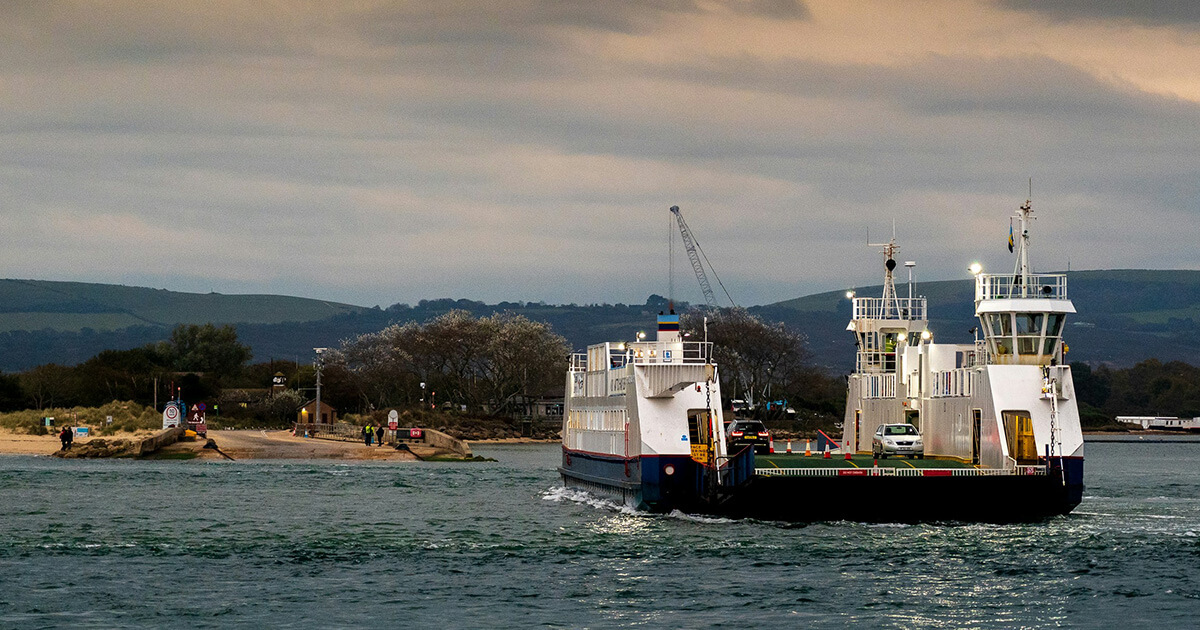
The Sandbanks Ferry (the chain ferry to Studland) is living infrastructure with a long pedigree of linking Dorset's peninsula to the Isle of Purbeck shore. Cars queue, foot passengers board, and the short crossing still feels slightly ceremonial. Using it is the simplest history lesson available: communities on either side of the harbour mouth needed each other for work, markets, and later leisure.
Stand on deck and look back at the peninsula's skyline. Then look towards Studland's dunes and the open Channel. You are crossing a threshold that pilots and fishermen knew intimately. Sandbanks Ferry is not a museum piece. It is a working hinge in the coastal system.
Haven Hotel and the early resort layer
The Haven Hotel end of Sandbanks speaks to the late Victorian and Edwardian discovery of the peninsula as a leisure place. Wireless experiments associated with early radio pioneers are part of local lore around this shoreline - the kind of story that reminds you seaside edges attracted inventors as well as invalids seeking air.
Even if you only admire the hotel from outside, notice how resort architecture claimed the spit: prominent frontages facing the swell, an argument in brick and render that this sandbar could be fashionable. The later mansion boom grew from that earlier confidence that Sandbanks was more than a navigational hazard.
Poole Harbour's wider stage: Brownsea and the banks
You cannot talk Sandbanks historically without glancing across the water to Brownsea Island. Baden-Powell's experimental Scout camp in 1907 made the island internationally famous, but Brownsea's story also includes pottery, daffodil farming, and wildlife sanctuary chapters. Ferries from Poole (and views from Sandbanks) keep the island in the peninsula's visual and imaginative orbit.
The harbour's mudflats, channels, and protected waters supported trade into Poole quay for centuries - clay, timber, Newfoundland connections in earlier ages of sail. Sandbanks sat at the mouth of that commercial lung. When you sunbathe facing the Channel, remember the harbour behind you was the economic engine.
Wartime watching and coastal nervousness
Like much of the south coast, this entrance mattered in wartime. Lookout posts, training, and harbour control belong to 20th-century layers that do not always survive as neat visitor attractions. Memorials in Poole and fragments of military landscape around the harbour reward anyone willing to ask what this mouth of water meant when invasion fears were real.
The beach remains a pleasure ground; the strategic logic never entirely leaves a harbour entrance. That double identity - towel and lookout - is classic British seaside history.
Property, myth, and what still belongs to everyone
Modern Sandbanks carries a myth of untouchable wealth. Walk the public beach, though, and the sand is still a shared strip. Ice creams, windbreaks, and cold swims continue older seaside habits that predate any price index. The interesting historical question is not how expensive the houses became, but how a working spit became a brand - and what harbour knowledge got softened in the telling.
Open LocoPast along the beach road and ferry approach to find pins that pull you back towards channels, wrecks, hotels, and harbour events. Midway through a sunny afternoon, a single well-placed story can reset what you think you are looking at.
A soft day's wandering
Ride or walk onto the peninsula. Beach first, for the Channel light. Then the ferry queue as spectator sport, followed by a crossing if time allows - Studland's shore gives the reciprocal view. Return via the harbour-side paths where yacht masts replace surf, and finish with a look across towards Brownsea's wooded profile. Keep Poole Old Town for a separate half-day if you want the mercantile counterpoint.
Sandbanks is an iconic British seaside address with a sandbar's memory under the glamour. Wherever you pause, open LocoPast to reveal historical stories pinned to your exact location. Ferrymen, harbour masters, and early hoteliers all left marks on the map - often within earshot of the same gulls.